
58 High Street
Current

58
High Street
Lowestoft
NR32 1JA
United Kingdom
History
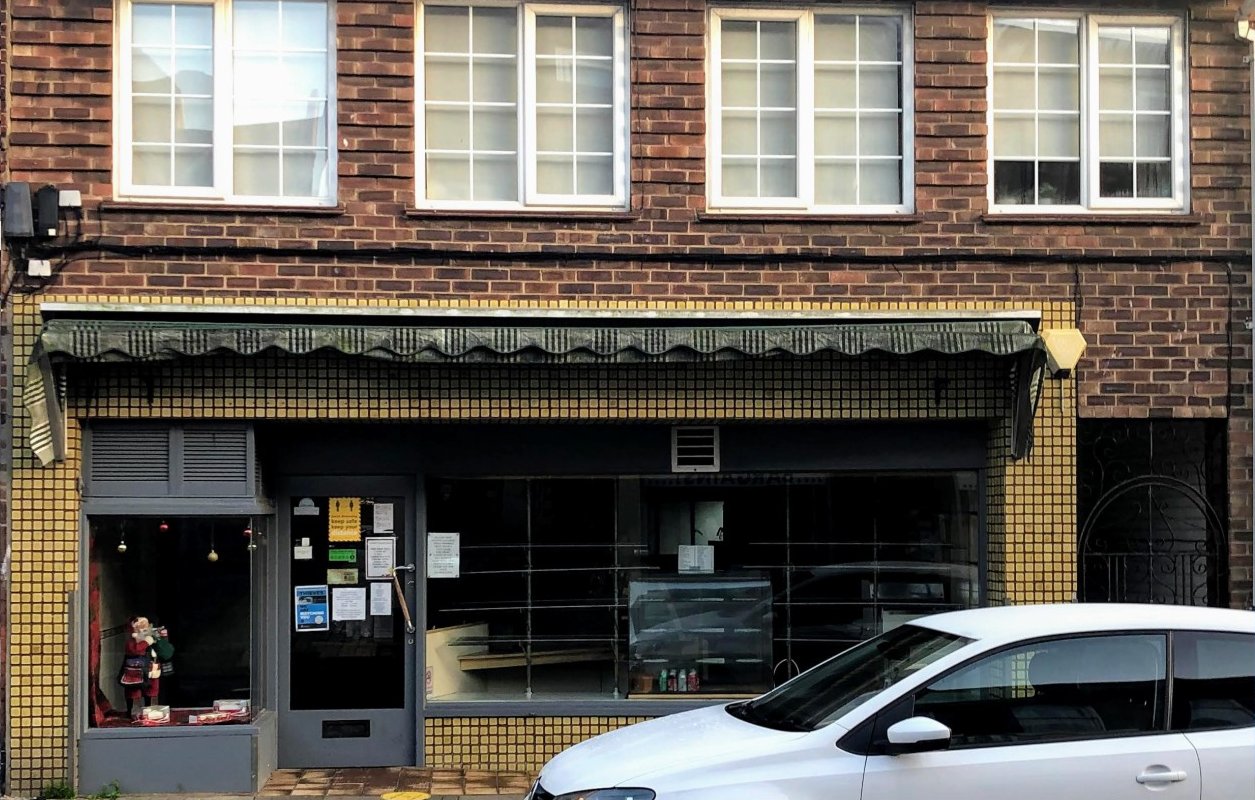
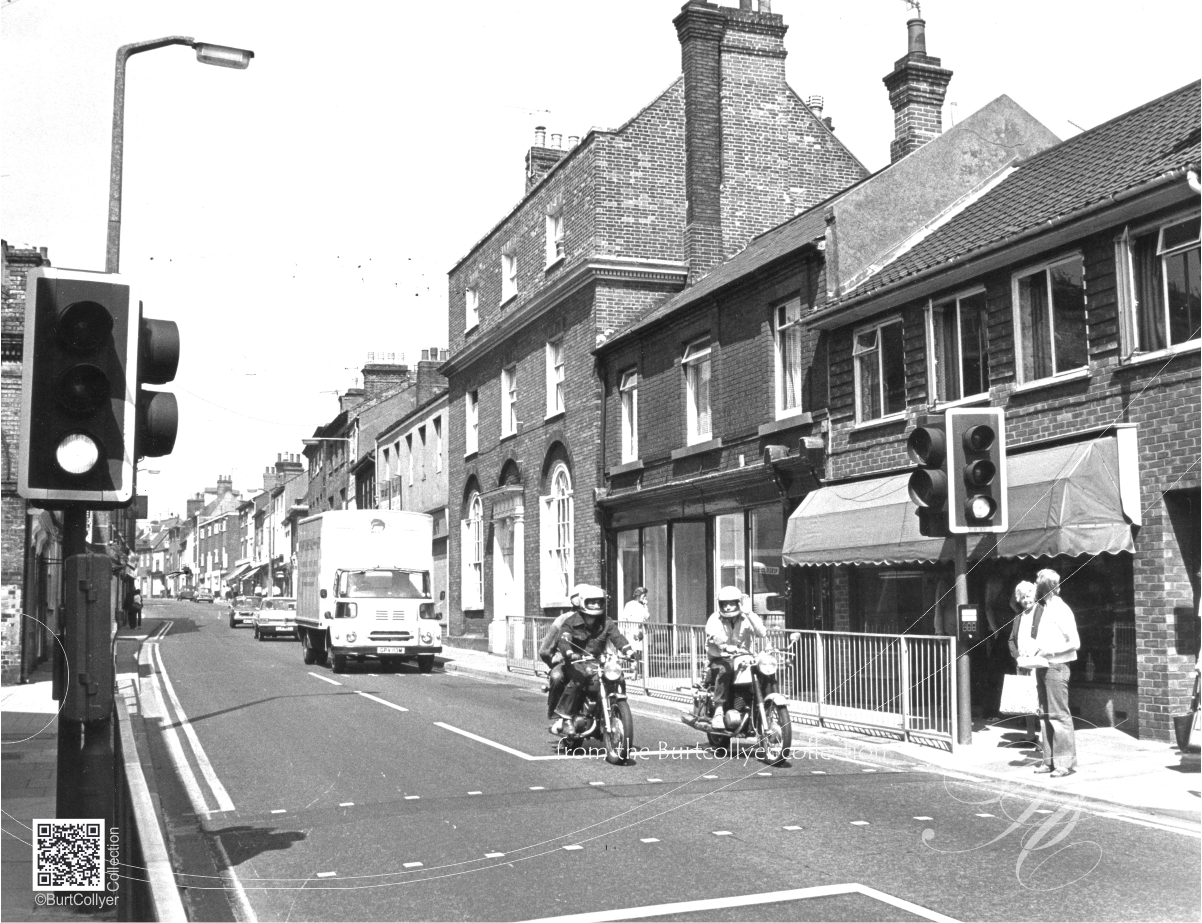
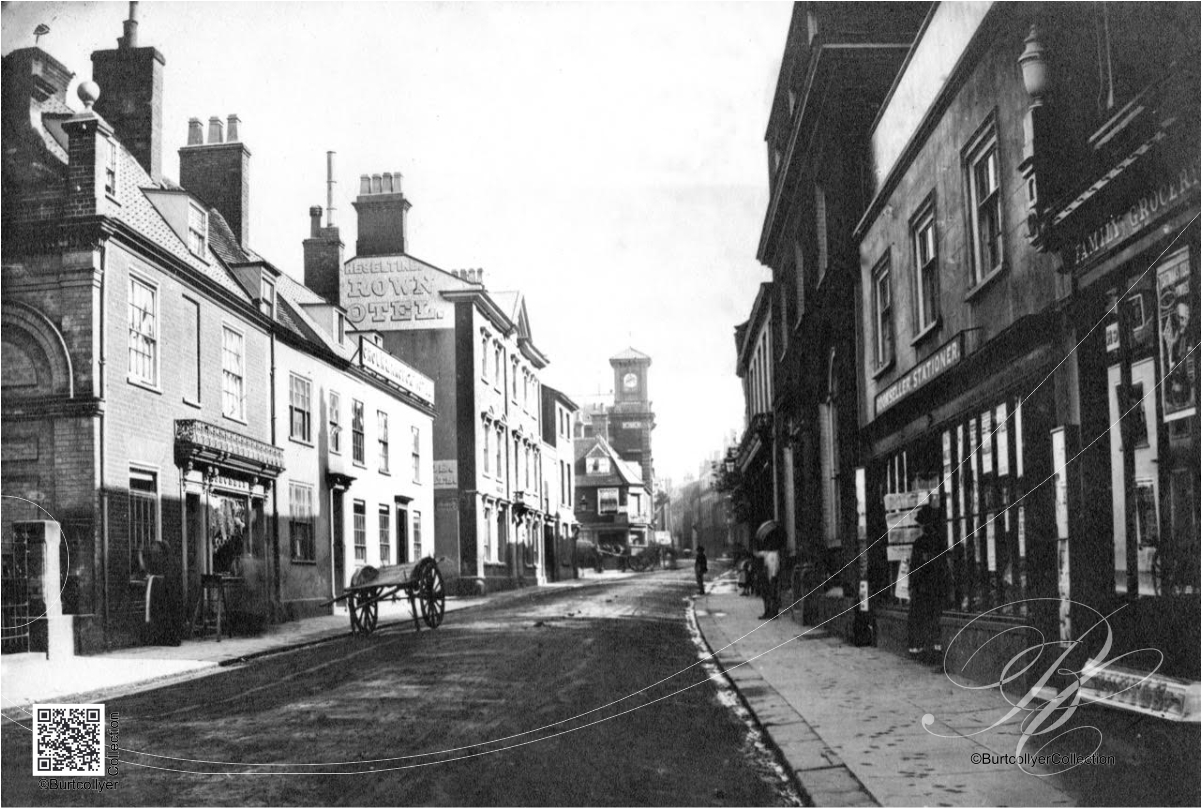
Two of Lowestoft's Our Fallen lived here... William Smith and Rosina Smith
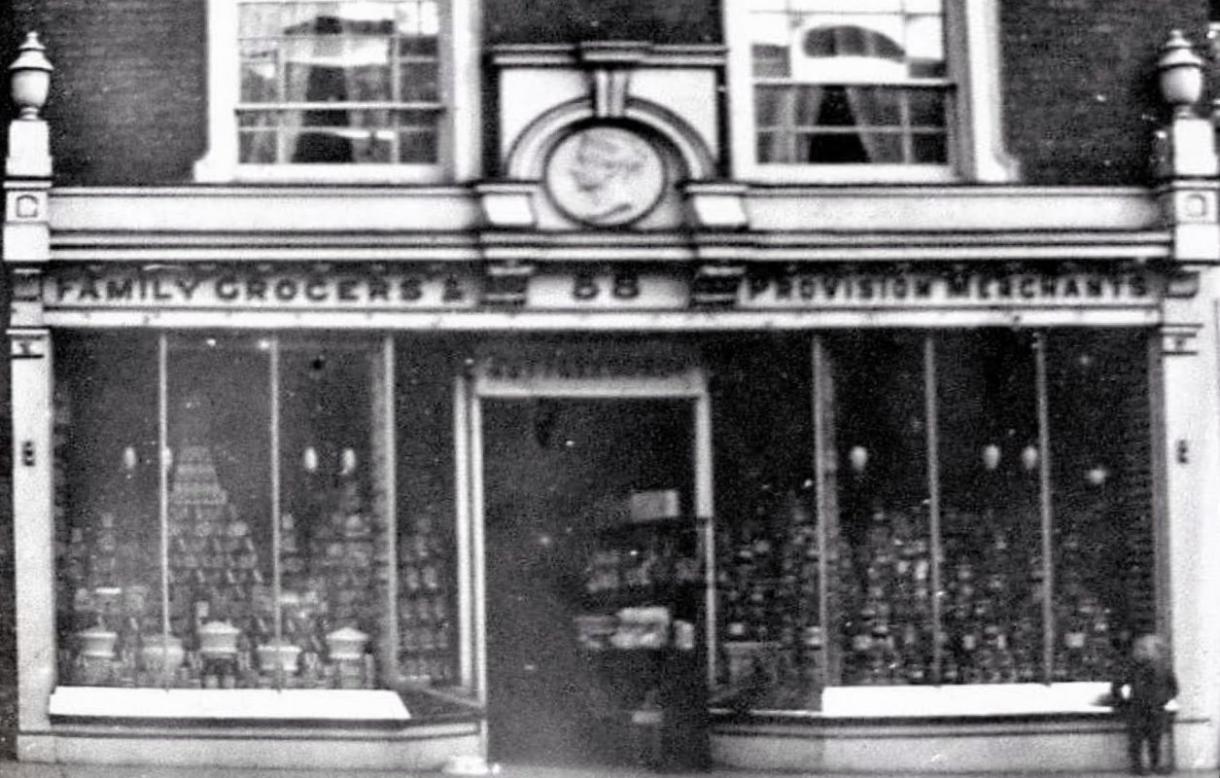
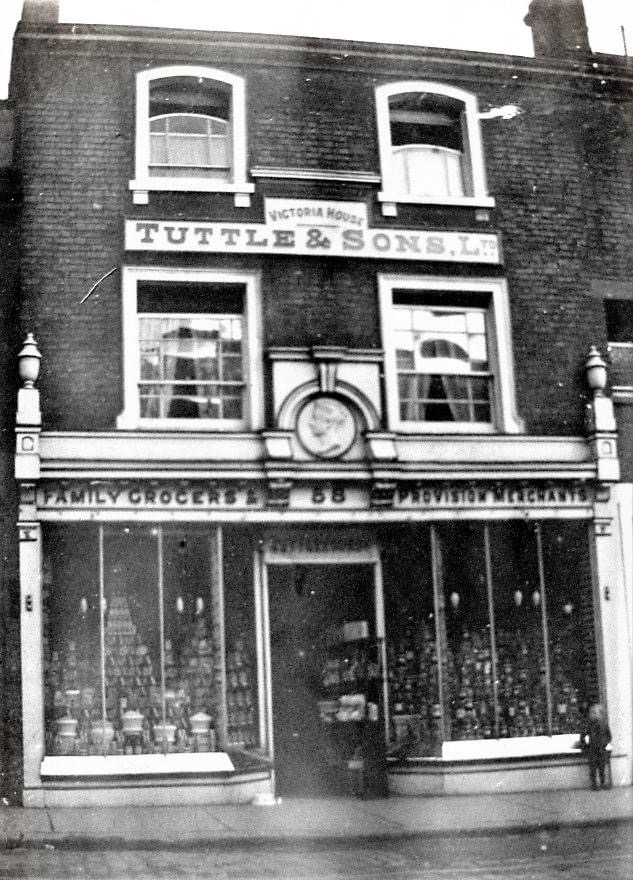
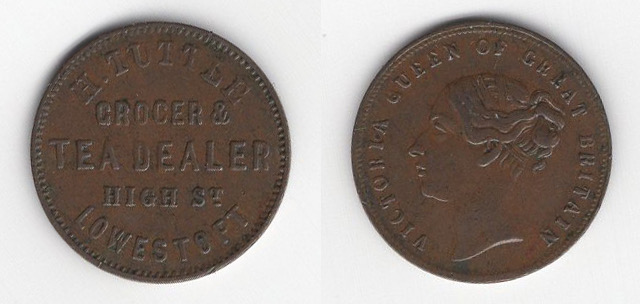
Henry Tuttle, my great great grandfather, and the father of my great grandfather Ebenezer Tuttle, was the founder of Tuttles of Lowestoft, commencing his business as a grocer in the town in the middle of the 19th century. One of the premises from which the business operated was 58, High Street, and these tokens were issued to customers to exchange for further purchases. A photo of the High Street shop is attached. Henry Tuttle started his business at 66, High Street in 1843. The 58, High Street premises started up in 1850. Further premises at junction of Raglan St and Barn St were opened in 1854, then in 1856 at 4, Denmark Road. In 1866 Henry Tuttle diversified into drapery and millinery at premises at 4, Commercial Road, and finally the land for the London Road premises was acquired in 1886 and the Tuttles building was built, by which time Ebenezer Tuttle was running the business.
Tokens like this are known, collectively, as Conder tokens. They have an interesting and complex history, which I will not attempt to cover here but instead refer you to: https://en.wikipedia.org/wiki/Conder_token You will see that their usage and circulation varied over time and in 1817 a law was passed to make them illegal. However, that didn't stop people producing or trading them, or trading with them. CREDIT:Anthony Russell
--------------- -----------------
TUTTLE'S This firm was started by Henry Tuttle as a grocery and provision store at 66 High Street (until recently the Lowestoft Christian Bookshop). These premises soon became inadequate for the growing business and in 1850 the firm moved to 58 High Street. Five years later in 1855, a branch was opened in Raglan Street Henry Tuttle started his business at 66, High Street in 1843. The 58, High Street premises started up in 1850. Further premises at junction of Raglan St and Barn St were opened in 1854, then in 1856 at 4, Denmark Road. In 1866 Henry Tuttle diversified into drapery and millinery at premises at 4, Commercial Road, and finally the land for the London Road premises was acquired in 1886 and the Tuttles building was built, by which time Ebenezer Tuttle was running the business. CREDIT: Changing Lowestoft Page 64
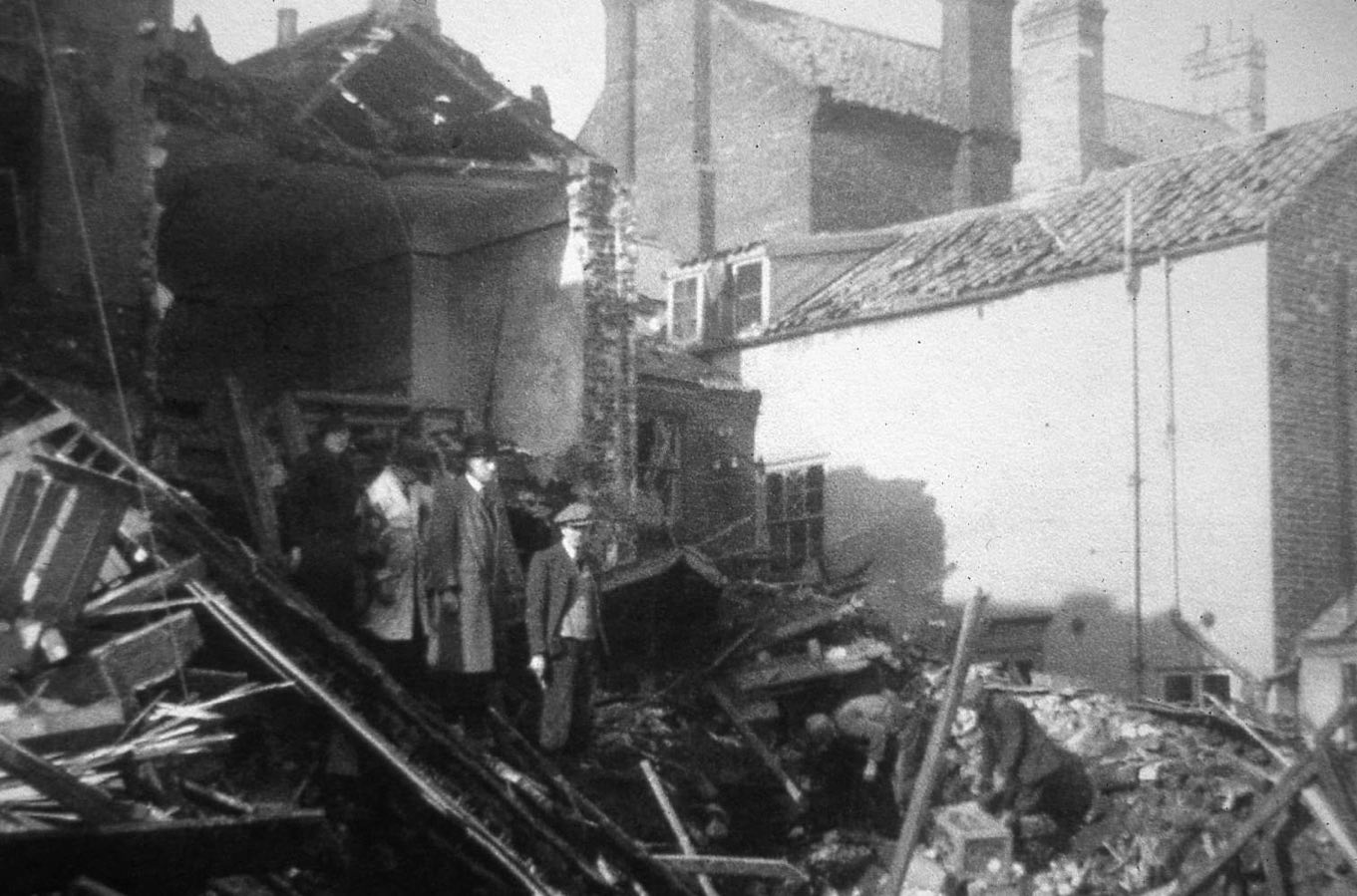
1) 15 Feb 1941 At 0054 hours 3 of 4 large HE bombs fell at the rear of High Street.
One fell in a garden at the rear of No.58 High Street.
A second HE bomb fell near No.58 High Street, occupied by International Stores. These premises were partially demolished. Rosina Smith, an ARP warden, and her husband William were both killed here. The same bomb caused considerable damage to Robinson’s Printers. The rear parts of No.59 High Street, Corkhill’s Chemist had extensive damage, and Mullender’s adjacent premises were similarly damaged.
The 3rd bomb landed on the opposite side of High Street at the rear of Larke’s, making a crater 33 ft x 8 ft. The two civilians killed were the only casualties from this raid.
CREDIT: Bob Collis
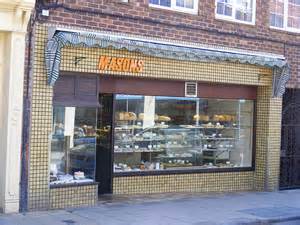
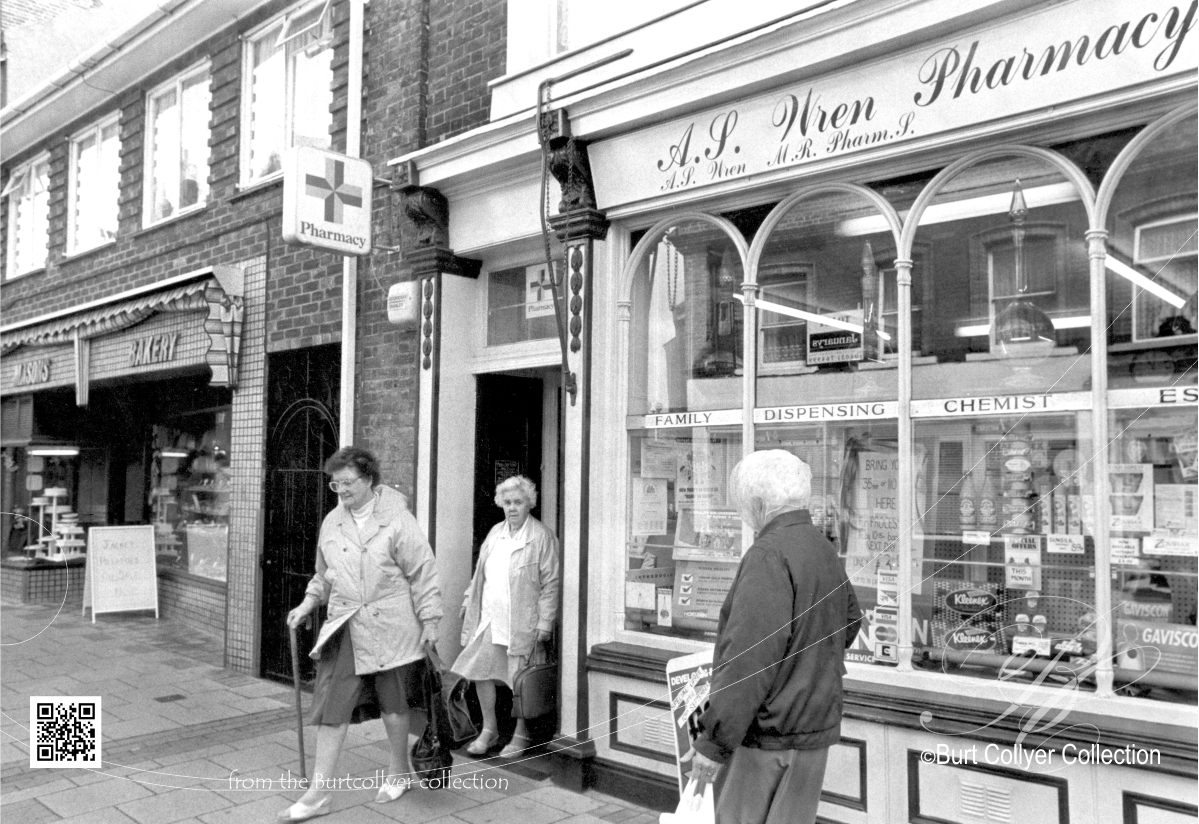
In 1880 Tuttles and Son's had their Family grocers and provision shop here at 58, in the Kelly's Directory of 1932 the International Tea Company Stores Ltd who where grocers operated from here. The 2nd picture was taken in 1998, founded by D. R. Mason in the old International Tea Company Store which was bombed in February 1941. The new shop was built in 1958 and to this day is still a bakery but now it's Heils Bakery. CREDIT:Crispin Hook
Pic showing rear of International Stores building 15 Feb 1941
Architecture
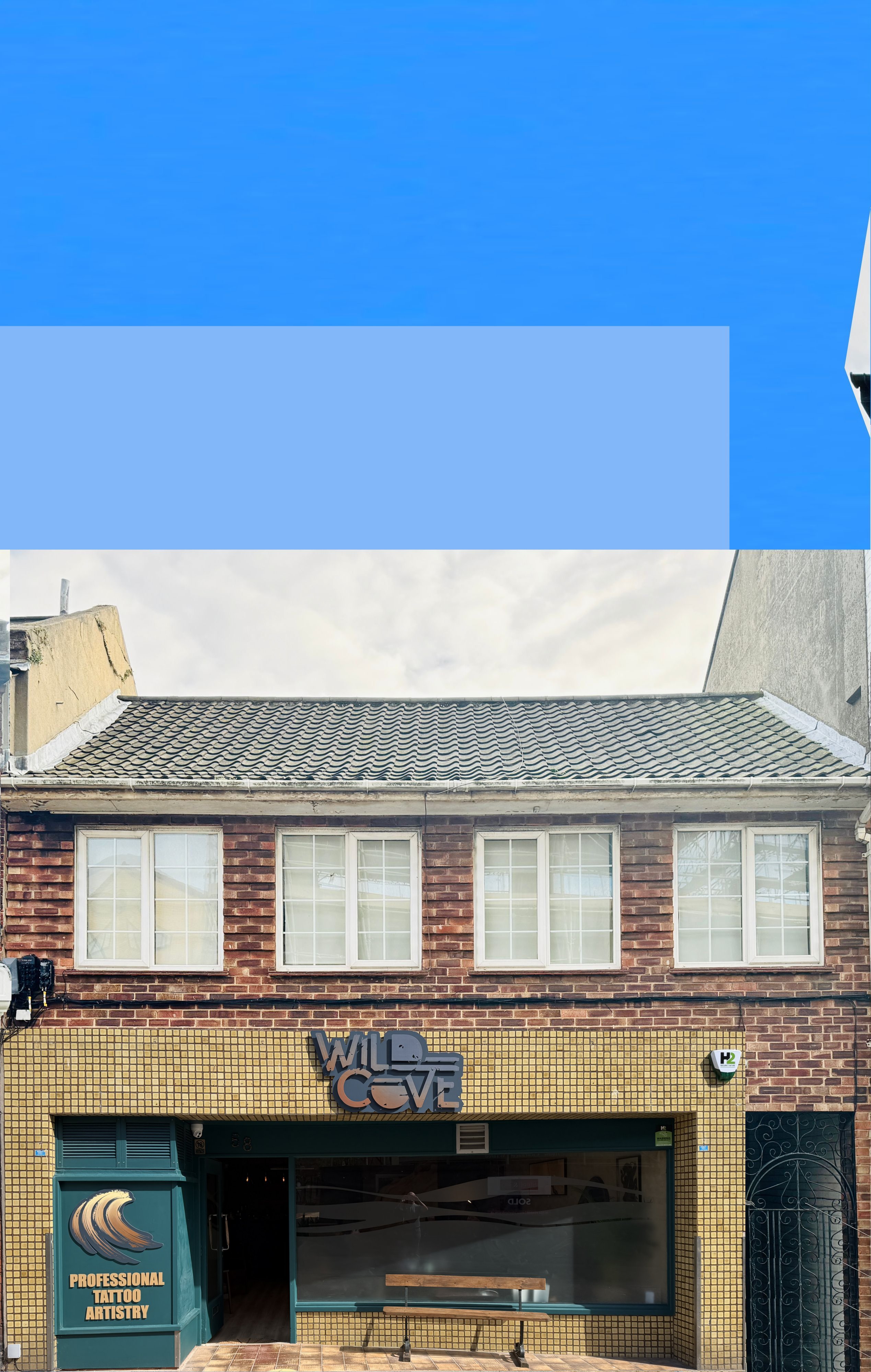
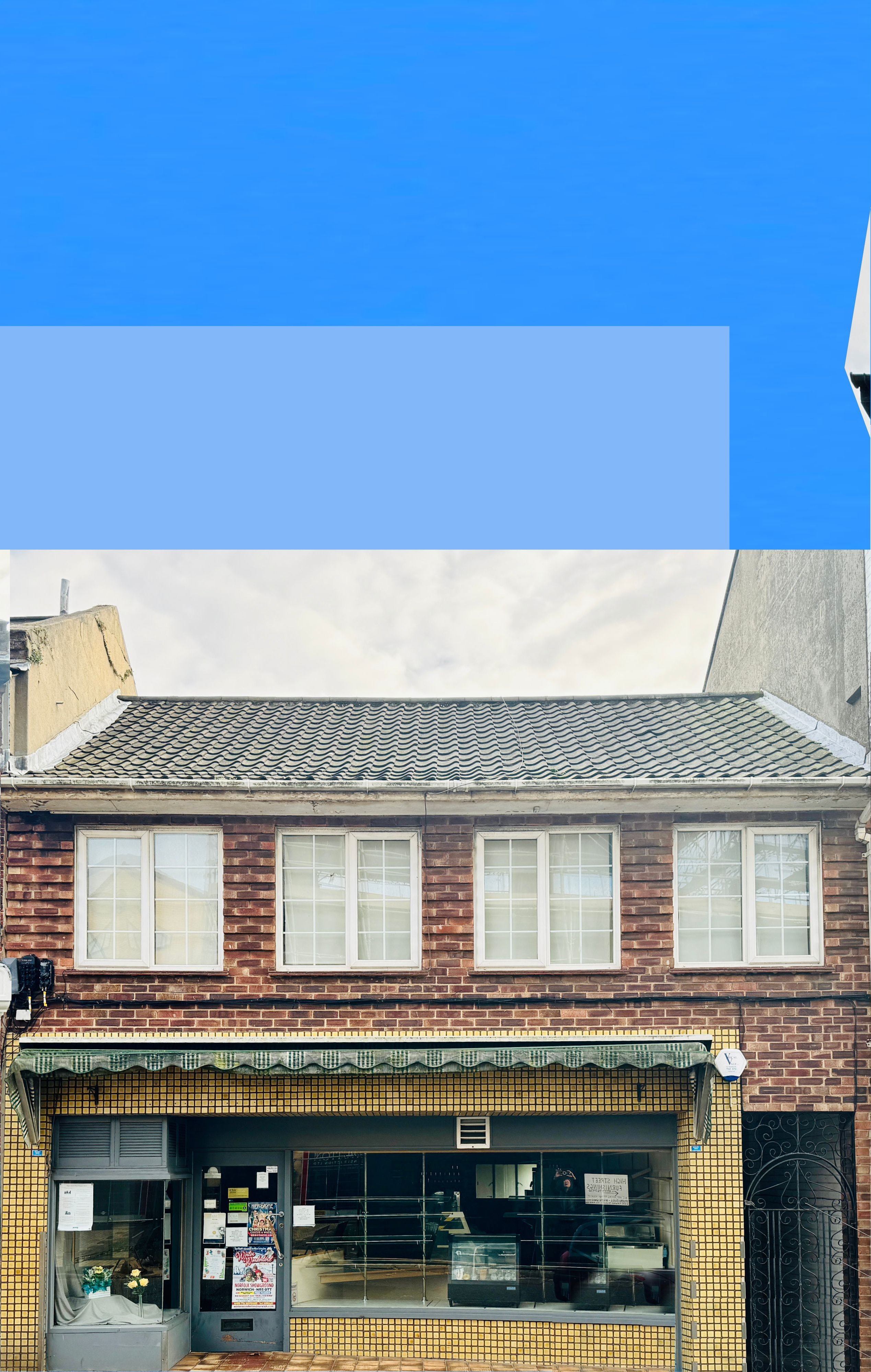
Add new comment