
Artillery Drill Hall, Arnold Street (19th century)
Current
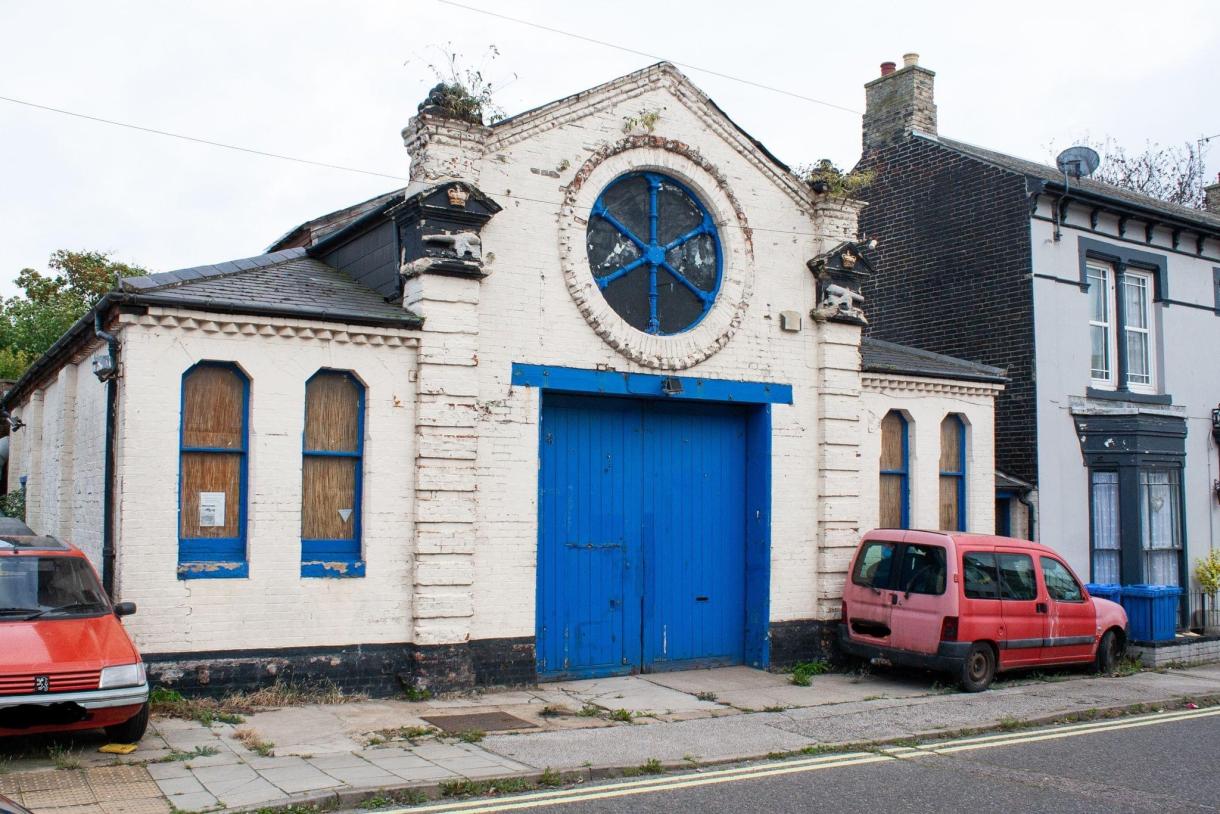
39 Arnold Street
Lowestoft
NR32 1PU
United Kingdom
This building, which stands in Arnold Street, is in need of some restorative tlc and is an important remnant of Lowestoft’s military past. Built and opened in 1872 for the Lowestoft Artillery Volunteer Company which (along with accompanying Rifle Volunteers) was formed in 1860. Designed by local architect W.O. Chambers.
History
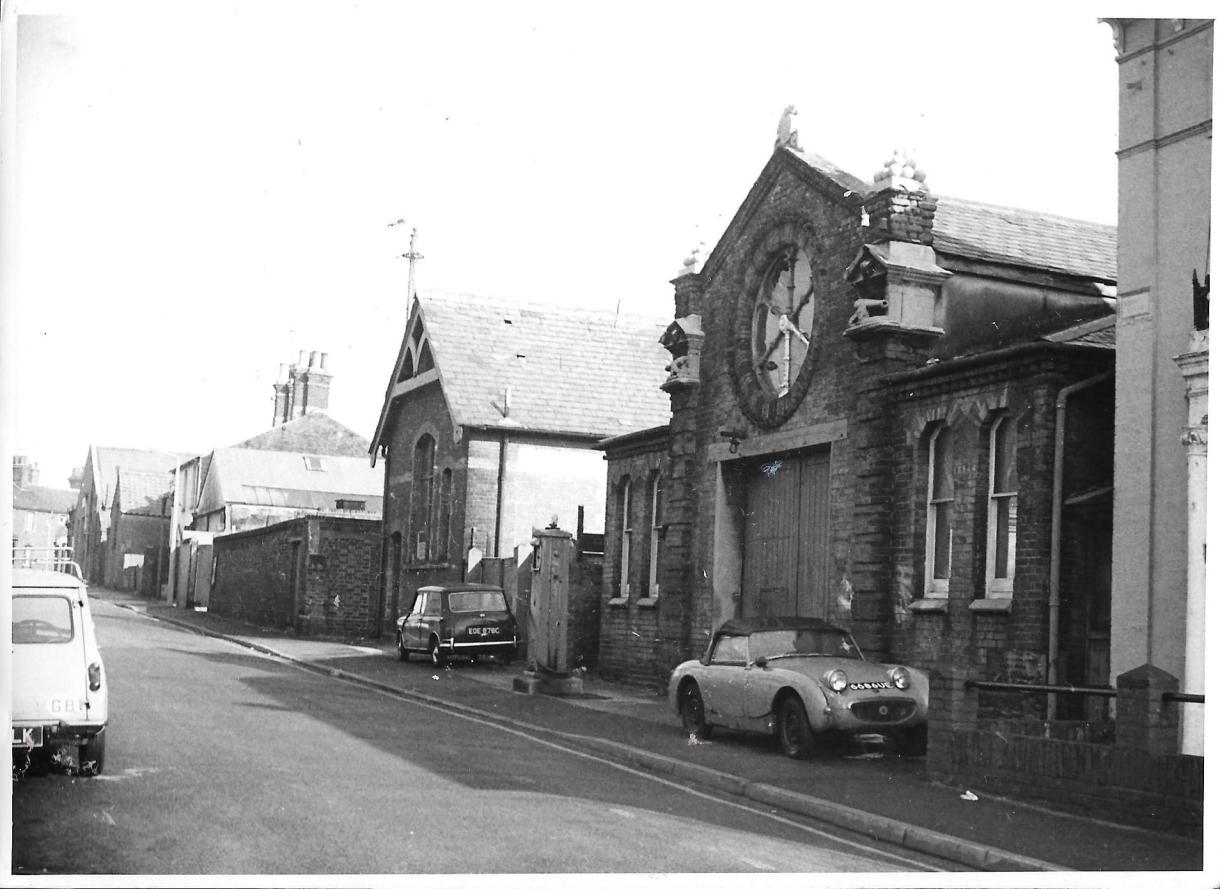
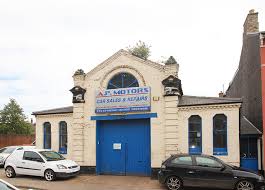
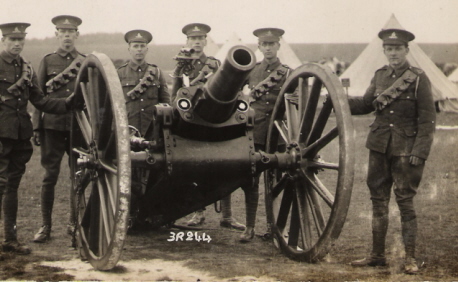
This building, which stands in Arnold Street, is in need of some restorative tlc and is an important remnant of Lowestoft’s military past. Both Artillery and Rifle Volunteer Companies were formed in the town during 1860, as part of a national scheme to bolster the country’s regular forces, and the structure seen here was built and opened in 1872, having cost £800 to erect. It was designed by W.O. Chambers, one of Lowestoft’s two leading architects of the time, who held the rank of Lieutenant in the company. J.L. Clemence, his contemporary, was second-in-command of the Rifle Volunteers, with the rank of Captain. The Artillery Volunteers themselves (1st Suffolk) numbered eighty men, under the command of Captain H. Seppings and with a drill-sergeant (probably an ex-regular soldier) named Sanders. As seen here, the building’s past use declares itself. On either side of the dominant spoked window are the capitals of the two brick pilasters flanking the doorway, each of which bears a cannon on its carriage surmounted by a triangular pediment bearing a crown. Thus, is the military connection linked with that of loyalty to the Monarch. And at the very top, on either side of the gable, are heaped cannon balls, with vegetation sprouting from them. The rear of the building abuts onto the relief road named after it (Artillery Way), which was created to provide a traffic link between Old Nelson Street and St. Peter’s Street to facilitate traffic flows through the centre of town. Though this particular piece of urban reshaping had a far less drastic effect on Lowestoft’s townscape than did the creation of Katwijk Way and Jubilee Way during the late 1970s. Militia forces (as back-up to regular Army regiments) had begun during the 1660s, following the restoration of Charles II to the throne - with a number of them, such as the Norfolk Regiment (9th of Foot) and the Suffolk Regiment (12th of Foot), developing into regular units after the Duke of Monmouth’s rebellion in June and July 1685. A further boost to numbers came seventy or so years later, during the Seven Years War with France (1757-62), and this increased further during the Revolutionary and Napoleonic conflicts with the same country (1792-1802 and 1803-15). Improved relationships between both nations developed from the mid-19th century onwards, culminating in the Entente Cordiale of April 1904, but Britain still maintained a programme of creating auxiliary land forces as back-up to its full-time, regular troops and this has carried on down to the present day. The so-called Territorial Force was in existence from 1908-21, its Territorial Army successor from 1921-67, the Territorial and Army Volunteer Reserve from 1967-79, the Territorial Army (again) from 1979-2014 and the Army Reserve from 2014 onwards. Both the 1st Suffolk Artillery Volunteers and the 1st Suffolk Rifle Volunteers (to give them their full titles), raised in the town of Lowestoft, therefore stand in a long-established tradition of men willing to offer their services in defence of the realm as back-up to full-time professional soldiers.
Add new comment