To the Local Historians Who Come After Us
FIRST DRAFT (for feedback via email or comments below) of letter written in 2026 for those who continue this work in 2046 and beyond that will appear in the front of the forthcoming Lowerstoft Our Fallen book
——
If you are reading this, then this book has survived.
More importantly, we hope that the evidence behind it has survived too.
If that is the case, then countless people—most of whom we will never know—will have quietly cared for it over the years. Librarians, archivists, volunteers, families, historians and custodians will each have played a small part in ensuring that these stories were not forgotten. We thank them all.
This book was never intended to be the final word.
It represents the best account that we could assemble from the evidence available to us in 2026. We know it contains omissions. We know that some conclusions will prove incomplete. We hope that some will even prove wrong, because that will mean that new evidence has come to light.
If you discover such evidence, we ask only one thing.
Please don’t simply replace what we wrote.
Explain why it changed.
The history of research is itself part of history.
Every generation inherits different opportunities and different limitations.
We have been fortunate to work with searchable newspapers, digitised census records and online military indexes that earlier historians could scarcely have imagined.
Yet we have also watched memories disappear, family collections become dispersed and local knowledge quietly fade with each passing year.
Technology changes.
Evidence changes.
Questions change.
But the responsibility to preserve provenance—to record where evidence came from, how it was interpreted and why conclusions were reached—remains constant.
If we have one request of you, it is this.
Please preserve not only the facts, but the journey that led to them.
Future historians deserve to know not only what we believed, but why we believed it.
As we write in 2026 another new technology is beginning to influence historical research: artificial intelligence.
We do not yet know whether future generations will regard it as one of the historian’s greatest tools or one of the greatest challenges.
We hope it becomes a means of discovering relationships hidden within evidence rather than a machine for creating convincing falsehoods.
If we have learnt anything, it is that technology should help us understand evidence, never replace it.
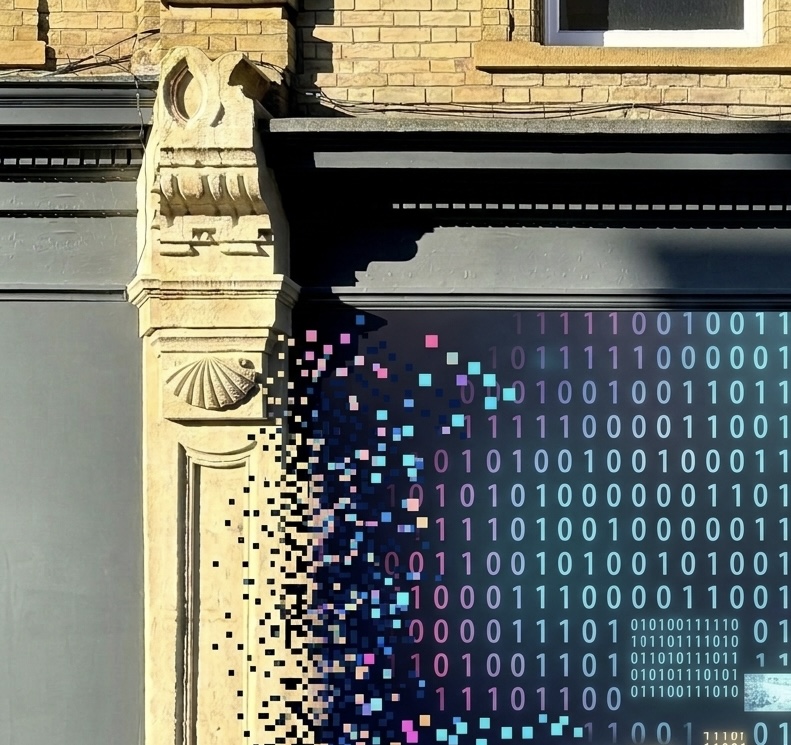
Please treat images created or altered using artificial intelligence with particular care. During our own time we have already seen convincing historical scenes created that never actually happened. We have tried to identify such material clearly wherever it appears, because future historians deserve to know not only what they are looking at, but how it came into existence.
There is another lesson we have learnt.
When asked what should be recorded for future generations, our instinct was to think of great occasions: civic celebrations, important ceremonies, moments that seemed obviously historic.
An experienced museum curator gave us different advice.
“Don’t just record the special occasions. Record the ordinary things that everyone takes for granted.”
The milkman delivering bottles before dawn.
The familiar shop on the corner.
The sound of children leaving school.
The routine things that seem too ordinary to notice today may become the details that future generations most long to understand.
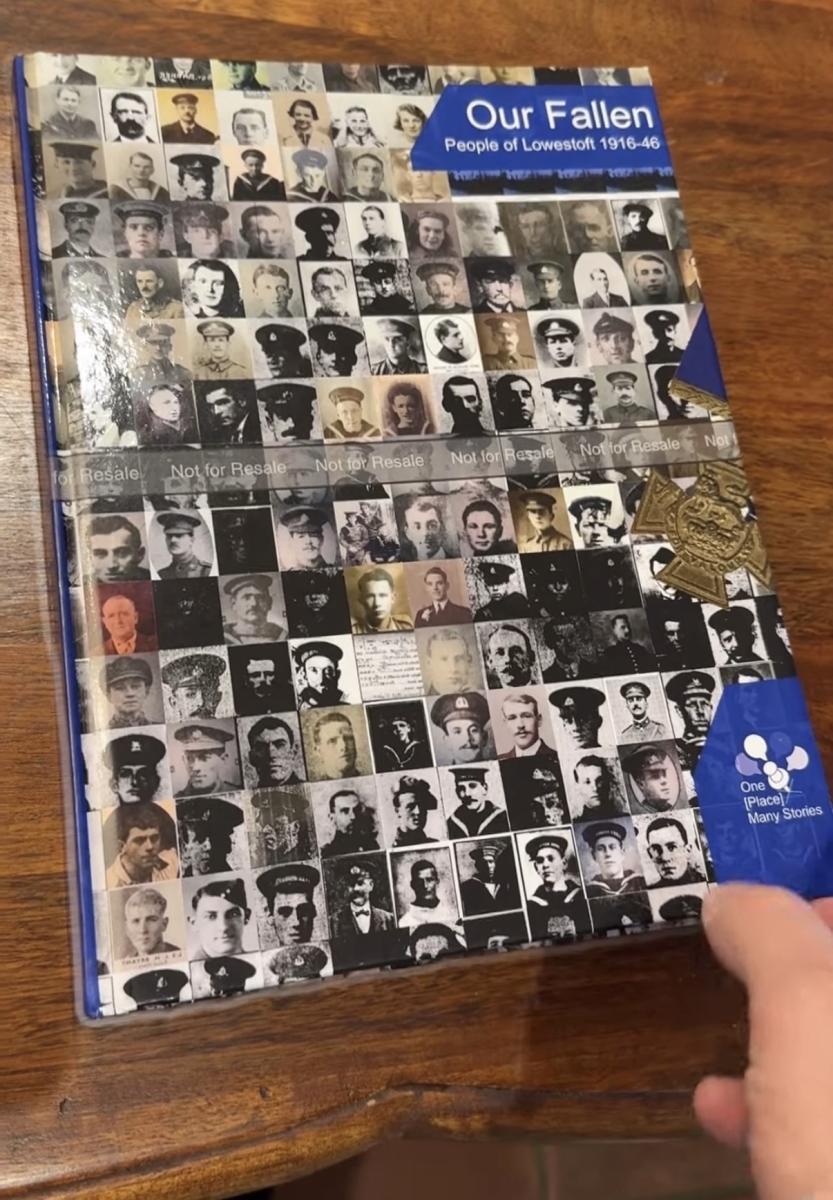
Our Fallen tells the story of a community at war.
But perhaps, in its own way, it also tells the story of a community at peace.
Of ordinary streets.
Ordinary families.
Ordinary lives.
Lives interrupted by extraordinary events.
If, in the years ahead, you add to this work, correct it, question it or even rewrite large parts of it, we shall not regard that as failure.
We shall regard it as success.
Because history is not something that one generation finishes.
It is something that each generation receives, cares for and passes on.
So we pass it now into your hands.
Please leave those who come after you enough evidence to understand not only what changed, but why.
United Kingdom
Add new comment