
early modern
(14 March 1684)
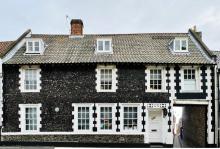
An Inventory Indented of all and singular the goods and Chattels of James Wilde late of Lowestoft in the County of Suff[olk], merchant, valued and appraised the Fourteenth day of March in the year of our Lord One Thousand six hundred eighty three by Joshua Smithson, Nicholas Utting, Robert [? ] and John Aldred of Lowestoft aforesaid, Merchants, as Followeth
Added: 23 June, 2024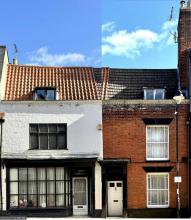
Roger Hill was a Lowestoft merchant of the second half of the sixteenth century, whose burial was recorded in the parish registers on 13 September 1588. He had made his will (Norfolk Record Office, 296 Homes) on 20 August and the inventory of his possessions (NRO INV 4/45) was taken on 16 September. He lived in what is now 31-32 High Street (not at No. 30, as I wrote in error in the LA&LHS Annual Report No.
Added: 7 June, 2024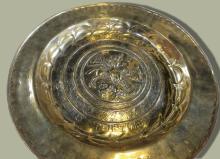
Much is heard today regarding illegal immigration into the UK from across the English Channel and occasionally the North Sea - most of it driven by difficult and dangerous conditions in the particular home countries of origin or by the perceived opportunity to start a more financially rewarding lifestyle than is possible in those same nations.
Added: 26 May, 2024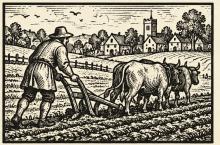
One of the many interesting features to emerge from the study of Lowestoft’s history over the years, and the attempts to reconstruct aspects of its past arising from the evidence discovered, is the town’s occupational structure. As can be seen in the table below, the main source in all four fifty-year blocks is parish register material, followed by probate documentation (wills and inventories of goods & chattels), with various other sources following on and with the Tithe Accounts featuring strongly in the last sub-period of all.
Added: 20 May, 2024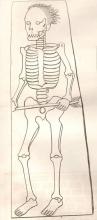
Many readers will know know something of London’s so-called “Great Plague”, which began in May 1665 and stretched into January 1666, and in which an estimated 100,000 people may have died out of a population of 350,000-400,000. A total of 68,596 burials is accounted for in parish records, but so intense was the rate of death from July to September that many people’s burials went unrecorded.
Added: 4 May, 2024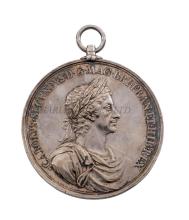
On Tuesday 23 April, 2024, a silver medallion commemorating the naval victory of the English fleet over that of the United Provinces of the Netherlands during the Second Dutch War (1665-67) was offered for sale at an auction staged by Charles Millar of Fulham, specialists in maritime and scientific models, instruments and fine art. It fetched the sum of £550, plus seller’s and buyer’s commission.
Added: 28 April, 2024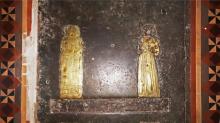
During the period of the two English Civil Wars (1642-46 and 1648) - and both earlier and later on - parish churches up and down the length of the land were visited by authorised (and, in some cases, unauthorised) local inspectors whose task it was to ensure that the worship being carried out was both simple and unadorned, in line with Puritan taste and leanings and free of the “High Church” ritual and practice associated with King Charles I and the Archbishop of Canterbury, William Laud, who was executed for treason by Parliament in January 1645.
Added: 27 April, 2024
May 1535 - Muster Roll of Lothingland Half-hundred, dated 23rd of the month, listed and named 292 able-bodied men for its defence. Lowestoft provided 130 of these (46%), with three widows included for their late husbands’ weapons. Armaments consisted mainly of bills (a hatchet-like metal attachment on the end of a pole) and bows and arrows, with a minority of the men also possessing helmets and body armour. No firearms are recorded.
Added: 14 April, 2024
“All Because of the Herring”
The first part of this extended article (Suffolk Review, Spring 2020) dealt primarily with the commercial and civic contention between Great Yarmouth and its nearest neighbours on the Suffolk side of the River Yare: Gorleston and Little Yarmouth.
Added: 13 April, 2024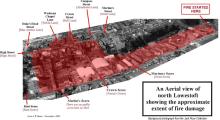
One of the things most dreaded during the Late Medieval and Early Modern periods, in townships of any size with a concentrated nucleus of houses and other buildings, was fire. And so, it can do no harm to start by giving an account of the most disastrous fire to have occurred in Lowestoft throughout throughout the whole of its recorded history.
Added: 5 April, 2024